Calibration / ECUFEF
FEF Performance
Standalone ECU commissioning, inherited-tune diagnosis, drivability and dyno calibration across supported platforms.
Dyno + live ECU read/editStarting at $240/hr
715-441-7100From no-start commissioning and engine swaps to turbo, supercharger and dyno calibration, FEF Performance focuses on making the hardware, ECU strategy and real-world data agree.
Holley Terminator, Haltech, MoTeC, MegaSquirt, Link, ECUMaster, Syvecs or another supported controller — the menus change, but the engine does not stop obeying the same fundamentals.
FEF starts with hardware truth, trustworthy sensor data, synchronization and measured base timing. Then the fuel model, ignition, torque or boost control, drivability and protection strategy are calibrated from repeatable evidence.
Commissioning, sensor/I/O setup, sync, base timing, fuel, ignition, drivability and protection strategy.
Explore service →A structured diagnostic path for fresh builds, swaps and inherited projects that do not currently run correctly.
Explore service →Holley, Haltech, MoTeC, MegaSquirt, Link, ECUMaster, Syvecs and other supported systems reviewed by exact hardware and firmware.
Explore service →Fuel pressure, lambda, ignition, boost control, thermal behavior and engine protections under controlled load.
Explore service →A mix of licensed automotive imagery and calibration visuals keeps the site useful until additional FEF project photography is approved for public use.
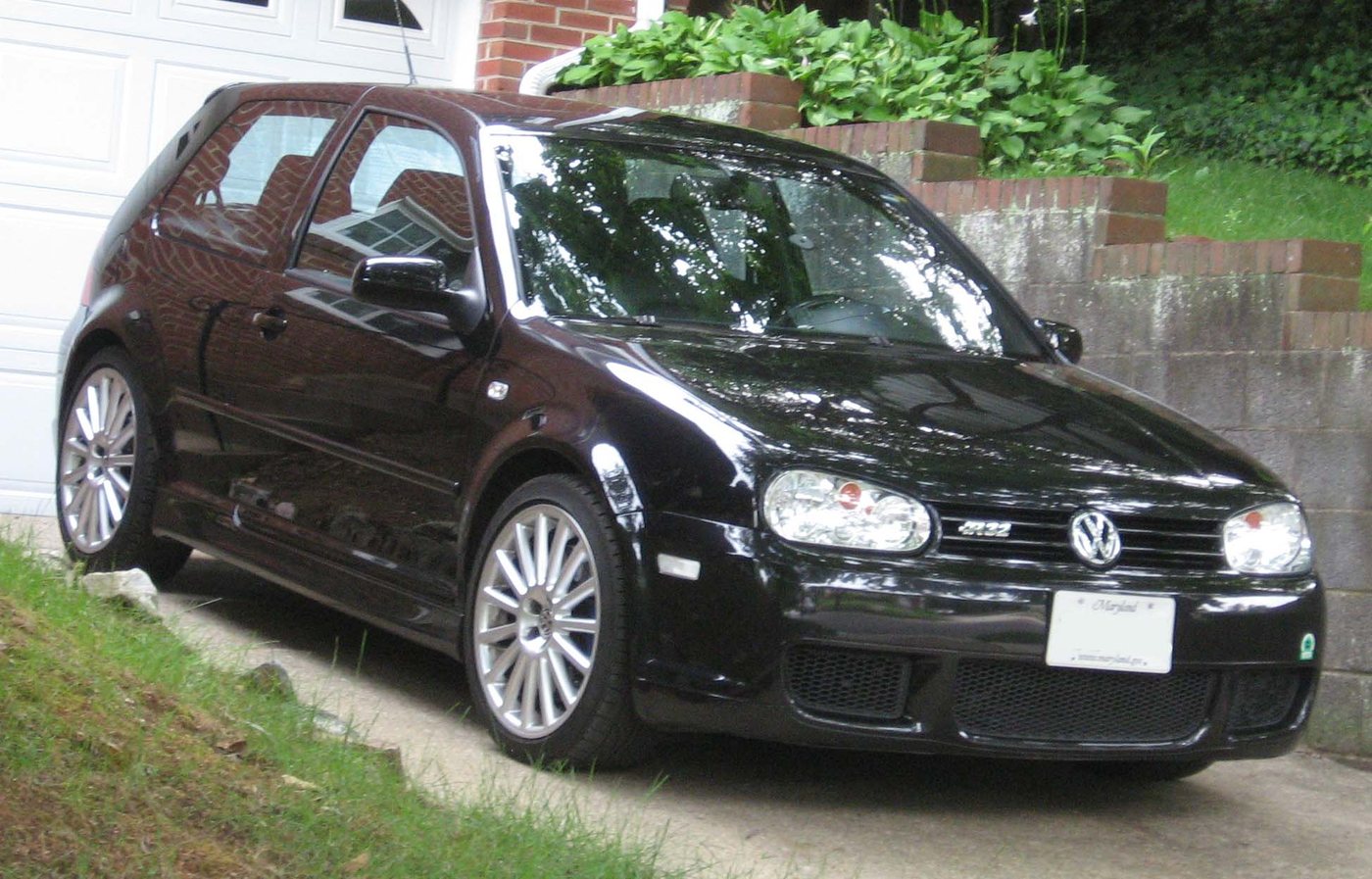
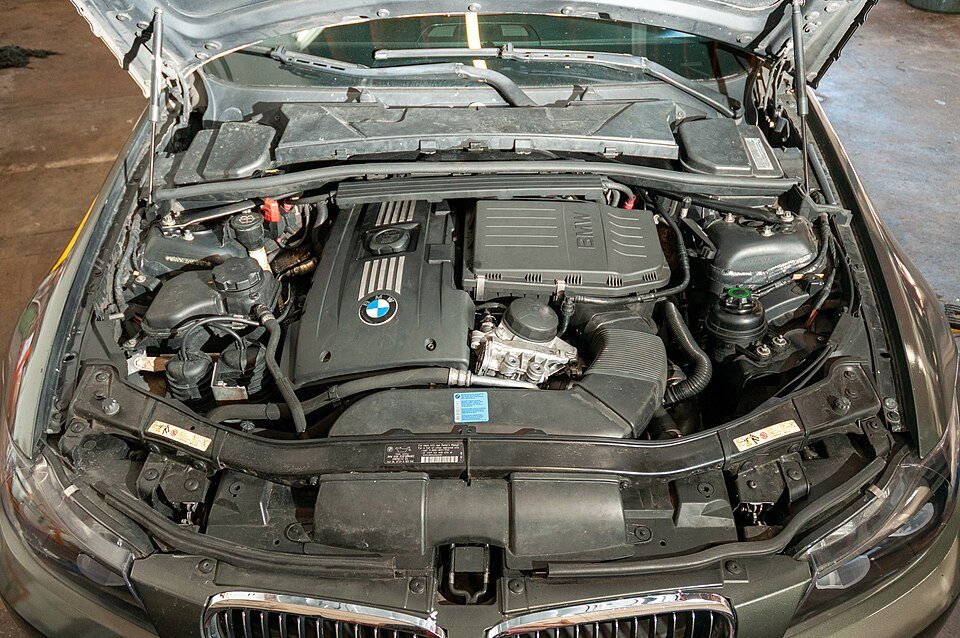
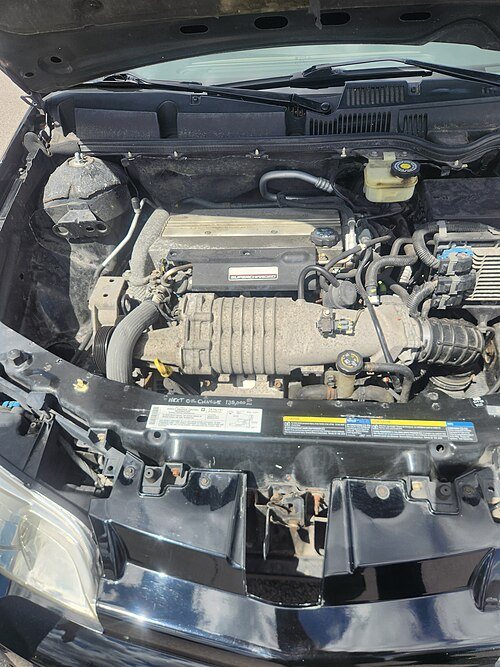
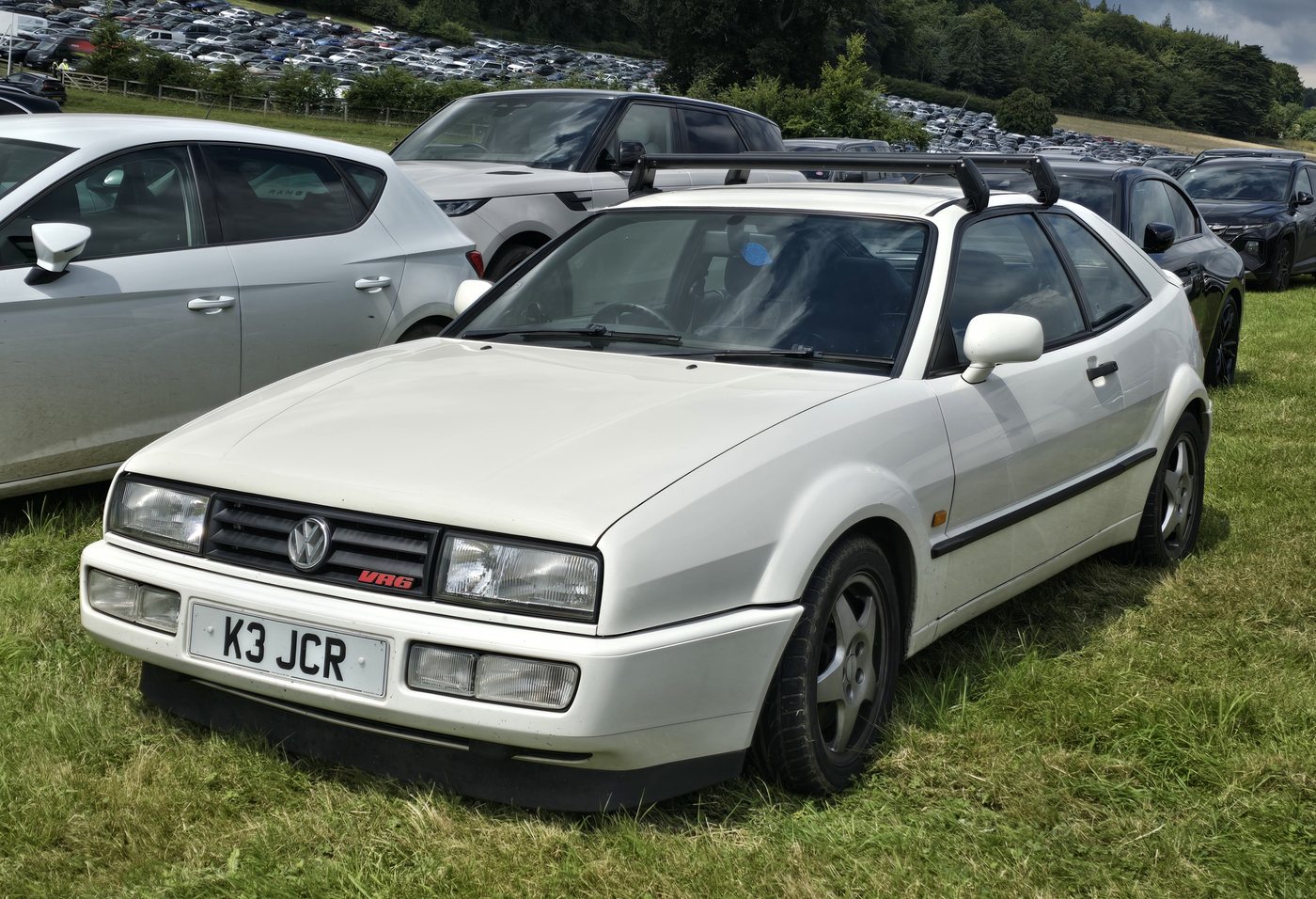
Licensed reference photography is used where an approved FEF project photo is not yet available. Image credits →
The platform list is intentionally broad because the calibration process begins with fundamentals instead of a single software brand.
R32 swap • GT35 turbo combination.
VR6 supercharged combination; long-term no-run project returned to driving condition.
3.0-liter custom performance combination.
Multiple combinations including swaps, cam changes and DOD-delete configurations.
Holley Terminator, Haltech, MoTeC, MegaSquirt, Link, ECUMaster, Syvecs and other supported controllers reviewed by the actual hardware and scope.
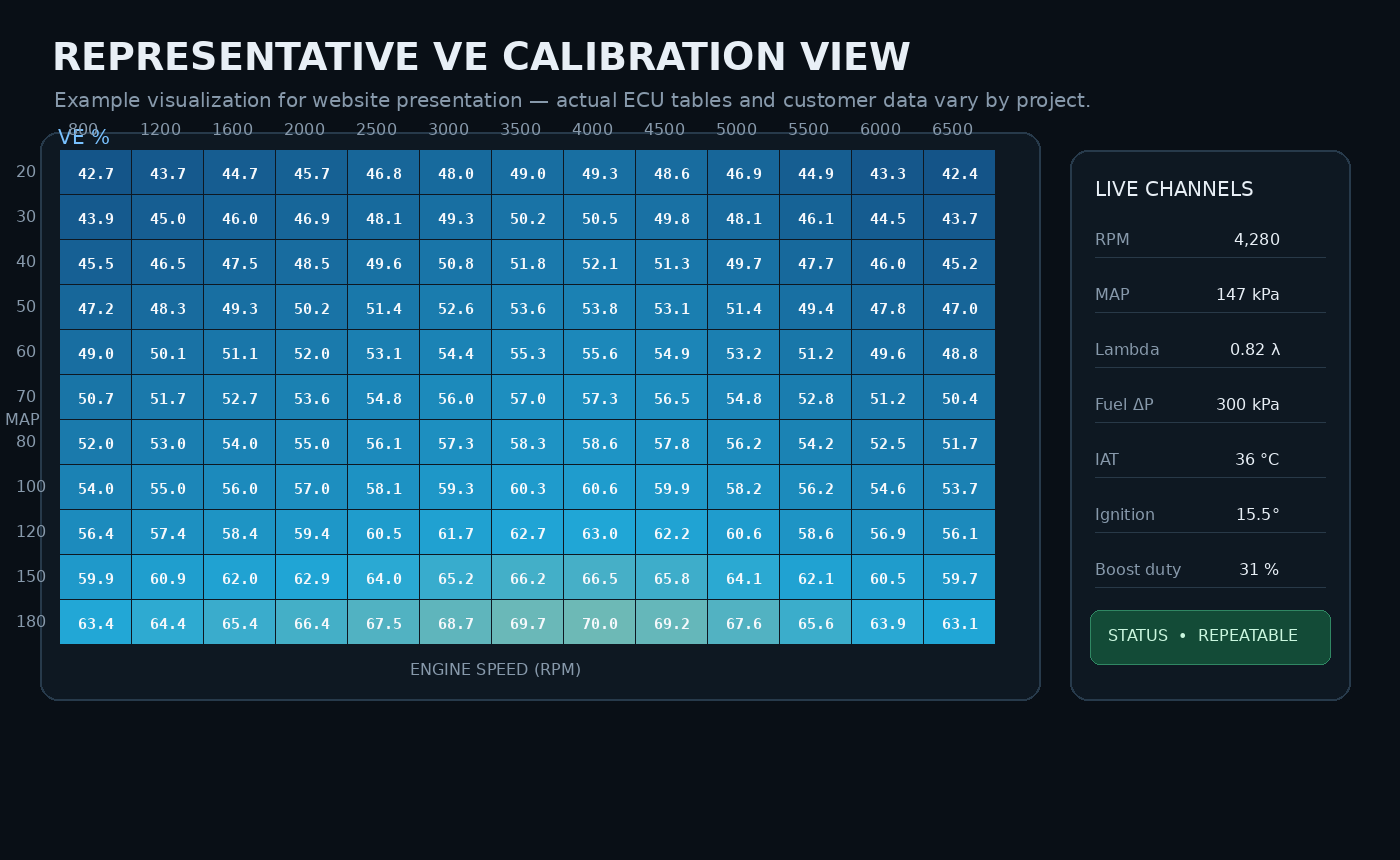
A colorful table is not a tune by itself. FEF looks for believable inputs, repeatable operating conditions and the reason a cell or strategy needs to change.
The intake happens before the dyno appointment so obvious unknowns do not consume expensive facility time.
Build, ECU, fuel, prior tune, known problems and goals.
Identify what changed and what must be proven before load.
Inputs, outputs, sync, timing, first start and protections.
Fuel, ignition, boost and repeatability under controlled load.
Final backup, limits, remaining recommendations and next steps.
Clear communication matters as much as getting the vehicle running: what was found, what was corrected, what was achieved and what the next limiting factor is.
“I had a 1997 VR6 supercharged Jetta that hadn’t run in over three years. I had honestly given up hope. After dropping it off, the car was alive and driving again within a week. What stood out most was not just getting it running, but taking the time to explain what was fixed, what had been accomplished, and what the next steps would be to take the car to the next level.
Each business remains independently operated while collaborating when a project needs more than one specialty.
Standalone ECU commissioning, inherited-tune diagnosis, drivability and dyno calibration across supported platforms.
Local chassis-dyno access for controlled testing and data collection, plus Holley EFI tuning for Terminator, HP and Dominator-equipped projects.
Holley package options are available when the project fits a defined scope.
JP's Performance is heavily focused on LS-based builds: engine swaps, Gen III / Gen IV combinations, DOD-delete projects, supporting installs and project-based mechanical work.
Selected standalone ECU installation and commissioning projects can be coordinated with FEF.
The point of the collaboration is not to make three shops look like one company. It is to put the right part of the build in front of the person who does that work every day.
LS swaps, Gen III / IV builds, DOD deletes, installation and mechanical project work.
Standalone setup, first start, sensor/sync verification, calibration strategy and project documentation.
$80/hr dyno-only testing, Holley EFI tuning at $240/hr and Holley package options.
Performance work gets expensive when assumptions survive too long. FEF is built around knowing what is installed, preserving file history, verifying critical signals and documenting what changed.
Critical hardware, sensor values, pressure, synchronization and timing are proven before meaningful power testing.
Major calibration stages are backed up so the session has a traceable path instead of one overwritten file.
Owners should understand what was corrected, what was achieved and what the next limiting factor is.
The intake keeps expensive dyno time focused on calibration instead of discovering basic unknowns.